Amazon Buys Sepang Land, Negri Sembilan Rises
Sunsuria is selling a freehold commercial plot in Sepang for cash to Amazon Data Services Malaysia, while Negri Sembilan is being positioned as the next industrial growth state on the back of its proximity to Greater Kuala Lumpur and expanding infrastructure. This piece unpacks what data centre land buying, state level competition and environmental compliance mean for Malaysia's industrial property market.
Key Takeaways
- Sunsuria Bhd is selling a freehold commercial plot in Sepang, Selangor, for cash to Amazon Data Services Malaysia Sdn Bhd through its 99.99% owned subsidiary Sunsuria City Sdn Bhd.
- The buyer is a wholly owned unit of A100 Row Inc, which is in turn owned by Amazon.com Inc, under a conditional sale and purchase agreement.
- Negri Sembilan is being positioned as an industrial growth state on the strength of its proximity to Greater Kuala Lumpur and expanding infrastructure.
- A manufacturing plant in Kedah has completed a wastewater treatment upgrade, with QILEE Group handling the sludge dewatering system modernisation.
- Data centre land acquisition, state level competition and environmental compliance are together reshaping demand across Malaysia's industrial property market.
What the Sepang Land Deal Tells the Market
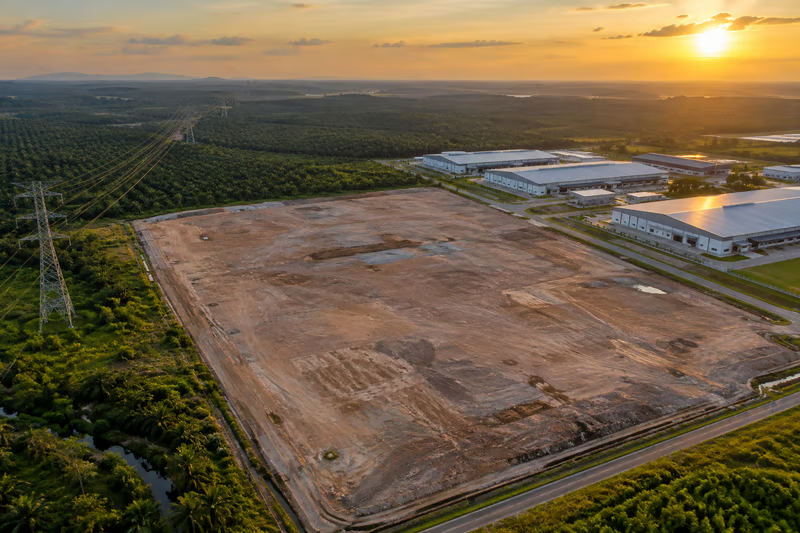
Sunsuria Bhd announced on Monday that its 99.99% owned subsidiary, Sunsuria City Sdn Bhd, had entered into a conditional sale and purchase agreement to dispose of a freehold commercial plot in Sepang, Selangor. The buyer is Amazon Data Services Malaysia Sdn Bhd, a wholly owned unit of A100 Row Inc, which is in turn owned by Amazon.com Inc. The deal is structured as a cash transaction.
Two details stand out for anyone active in industrial property. First, the land is classified as commercial, not industrial. Second, the structure is a single buyer, a single plot and a cash settlement, with no joint venture or share swap involved. Taken together, these point to a shift in how large technology companies approach Malaysia: from leasing ready facilities toward holding land directly.
Commercial Land Can Carry Data Centre Use
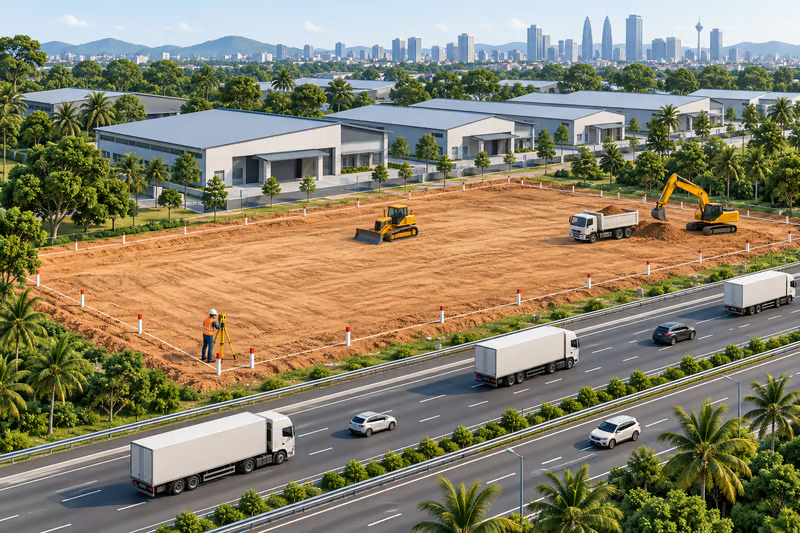
Conventionally, data centres sit on industrial land. In practice, however, a commercial plot can support a data centre project as long as the local authority approves the necessary use conversion and planning permissions. For hyperscale operators, what matters far more than the title classification is whether the site can deliver power capacity, fibre connectivity, flat terrain and access to cooling water.
The lesson for factory owners is straightforward. A plot's value is no longer decided purely by the words industrial zone. Transport nodes, substation capacity, network backbone access and terrain are the variables that determine whether a site can command a premium. If your factory or land sits near a major road, close to a substation or a fibre landing point, it is worth reassessing its positioning even if it is not inside a traditional industrial park.
Why Sepang
Sepang sits at the southern edge of the Klang Valley. To the north it connects to the administrative and technology belt around Putrajaya and Cyberjaya, while to the south it links into Negri Sembilan. That position allows it to absorb three streams of demand at once: data centres, regional logistics and warehousing, and the light assembly and equipment servicing that supports both.
For the wider industrial property market, deals of this scale create two knock on effects. First, owners of surrounding land, especially plots of similar size and readiness, gain bargaining power. Second, rental expectations for warehouses and light industrial space in the area tend to be re anchored, because large projects bring in supply chain companies that need space they can occupy immediately.
Negri Sembilan as the Next Industrial Base
The second development worth noting is the view that Negri Sembilan is well positioned to become an industrial powerhouse, with its proximity to Greater Kuala Lumpur and expanding infrastructure cited as key reasons. The statement is simple, but it reflects a longer trend: Malaysia's industrial map is spreading outward from the Klang Valley.
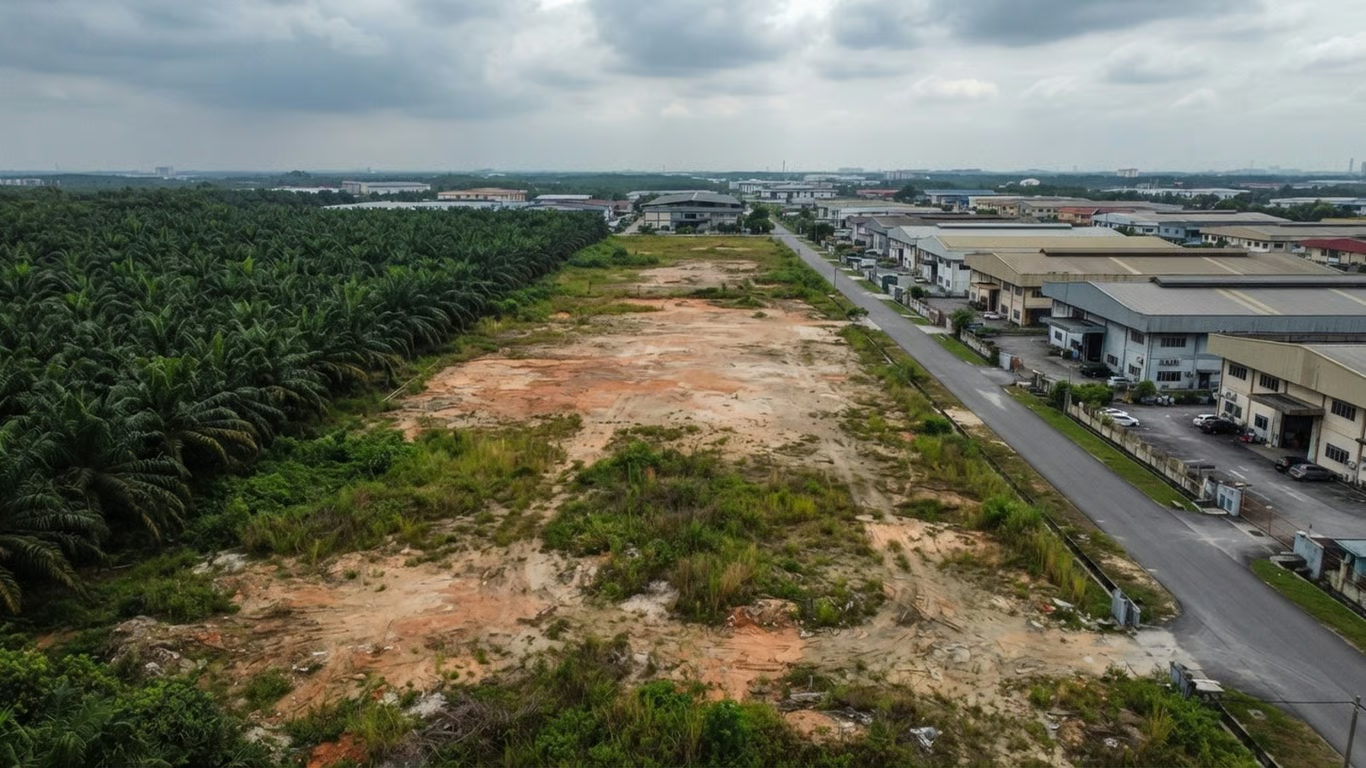
As industrial land supply in Selangor and Kuala Lumpur tightens, and as land prices and compliance costs rise in tandem, companies naturally look further south and north. Negri Sembilan offers two advantages at once. It is close enough to Greater Kuala Lumpur that commuting and freight lead times remain workable, and it still holds relatively large, contiguous land parcels suited to manufacturers and logistics operators that need significant floor area.
What It Means for Tenants and Buyers
If you are planning your factory footprint over the next three to five years, Negri Sembilan deserves a place on your comparison list. But state level factors alone are not enough. A specific site still needs to satisfy three conditions: smooth access to trunk roads and highways so goods vehicles can move at any hour, stable water and power supply with enough electrical capacity for your equipment, and a surrounding pool of skilled and technical labour.
For investors, the return from entering an emerging industrial state early usually comes from rent and land value re rating once the area matures. The catch is that this only works if the plot you buy genuinely meets industrial use requirements, rather than requiring a long approval process or sitting in an area where infrastructure has yet to arrive.
Environmental Compliance Is Becoming a Hard Requirement
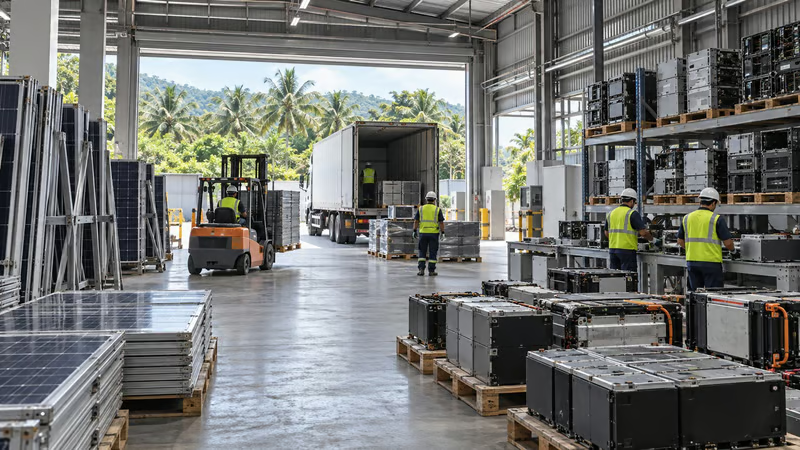
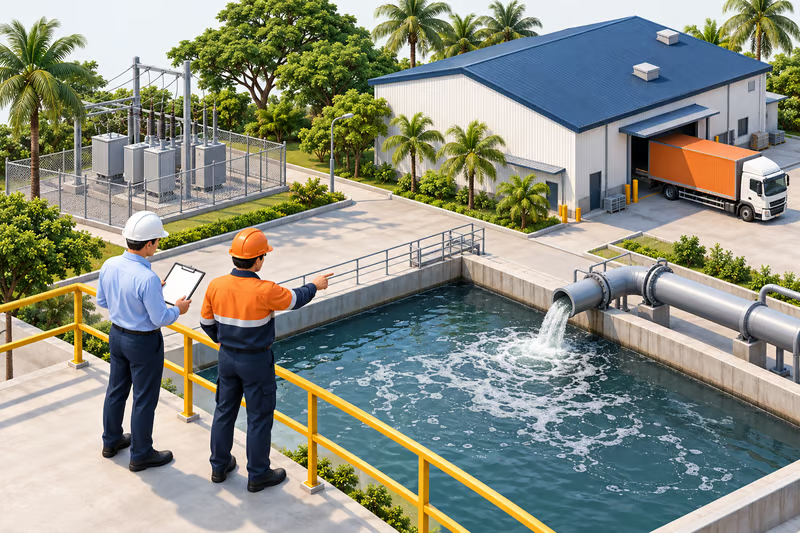
The third item comes from Kedah, where a manufacturing company successfully modernised its wastewater treatment system, with QILEE Group carrying out the sludge dewatering upgrade. On the surface this is an environmental engineering story, but it carries very practical implications for industrial property.
In the past, companies leasing or buying a factory focused on floor area, ceiling height, power supply and loading bays. Today, a growing number of multinational customers and large supply chain buyers also scrutinise a site's wastewater treatment, emissions control and waste management capability. The reason is simple. Their own customers and headquarters impose ESG expectations on the supply chain, and a downstream supplier that falls short on environmental systems puts the whole chain at risk.
Impact on Both Sides of the Market
On the supply side, older factories without upgradeable wastewater and discharge systems will find it increasingly difficult to lease out. On the demand side, tenants willing to pay a premium for compliant facilities are growing, because upgrading such systems themselves carries significant capital expenditure and downtime.
This produces a clear conclusion. Factories with complete environmental infrastructure and those without will gradually become two separate market tiers. The former will show better rental resilience and faster letting, while the latter may have to compete on price for tenants with lower compliance demands.
Practical Guidance for Owners and Investors
First, revisit the accessibility and infrastructure profile of any factory or land you hold. If it sits close to a major transport corridor or offers meaningful power capacity, it may carry higher development or resale value even outside a traditional industrial zone.
Second, treat environmental compliance as part of asset value. Where resources allow, assess and upgrade wastewater and discharge systems early. This is not merely about meeting enforcement requirements, it is about keeping the asset lettable and saleable over the long term.
Third, when expanding or relocating, do not look at one state in isolation. Put Selangor, Negri Sembilan and other emerging industrial states on the same comparison sheet, and score them across logistics lead time, labour supply, infrastructure and total cost of ownership before deciding.
Fourth, if you intend to hold for the long term, favour plots with clear use classification, clean titles and infrastructure already in place. The time cost of use conversion and planning approval often affects project returns more than the difference in land price.
Closing View
From Amazon's land acquisition in Sepang, to Negri Sembilan being highlighted as an industrial base, to a Kedah plant upgrading its wastewater system, the three stories point in one direction. Competition in Malaysian industrial property is shifting from whether land exists to whether a given site can meet higher operational standards. Those who read this shift early will be better placed in the next cycle.
If you are searching for a suitable factory or warehouse, or want to reassess where your industrial asset stands in the market, BuyKlang is dedicated to helping every client find the right factory or warehouse. Finding the right factory for every client is the mission of BuyKlang.
Factories and Warehouses in Port Klang
Archived catalogue records with power, ceiling height and floor loading for every unit: