Food Packaging Factory for Rent in Klang 2026: Kapar & Meru Boom Analysis
The 2026 food packaging factory market in Klang, focusing on Kapar and Meru: registered rents (Kapar RM1.47, Meru RM2.03 psf a month), location comparisons and practical tips for tenants and investors.
Key Takeaways
- Registered factory rents in Kapar and Meru: a median of RM1.47 psf a month in Kapar (typical RM1.08 to RM1.97) and RM2.03 in Meru (typical RM1.33 to RM2.20), over the 24 months to July 2026.
- Demand for packaging factories in Kapar and Meru is high, driven by proximity to Port Klang, competitive rents, and growing food & F&B sector.
- Semi-detached factories registered about RM15,800 a month for 8,960 sq ft in Kapar and about RM15,000 for 9,000 sq ft in Meru; large warehouses rent for far more in total.
- Kapar is the cheaper of the two, with a registered median below Meru, which suits SMEs and packaging material factories.
- Registered rents in the two areas (24 months to July 2026): Meru semi-detached factories RM2.03 psf a month (about RM15,000 for 9,000 sq ft) and Kapar semi-detached RM1.85 (about RM15,800 for 8,960 sq ft).
Food Packaging Factory for Rent in Klang 2026: Kapar & Meru Boom Analysis
The food packaging industry in Malaysia is on a steady growth trajectory, and Klang, particularly the Kapar and Meru areas, has emerged as a hotspot for food packaging factories. As we move through 2026, shifting supply chains, rising e‑commerce demand, and the need for proximity to Port Klang are driving a rental boom in these two industrial corridors. This article provides a data‑backed analysis of the market, compares key locations, and offers actionable advice for tenants and investors.
What’s Driving the Boom in Kapar & Meru?
Several factors are converging to make Kapar and Meru prime locations for food packaging factories in 2026:
Port Proximity: Both Kapar and Meru sit within a 15-25 km radius of Northport and Westport. For food packaging companies importing raw materials (plastics, paper, foil) and exporting finished goods, lower logistics costs are a major pull. According to Port Klang Authority, Port Klang handled a record 15.14 million TEUs in 2025, reinforcing its status as Southeast Asia’s busiest transshipment hub.
Competitive Rental Rates: registered factory rents had a median of RM1.47 psf a month in Kapar and RM2.03 in Meru over the 24 months to July 2026, against RM1.73 in Shah Alam, with comparable highway access.
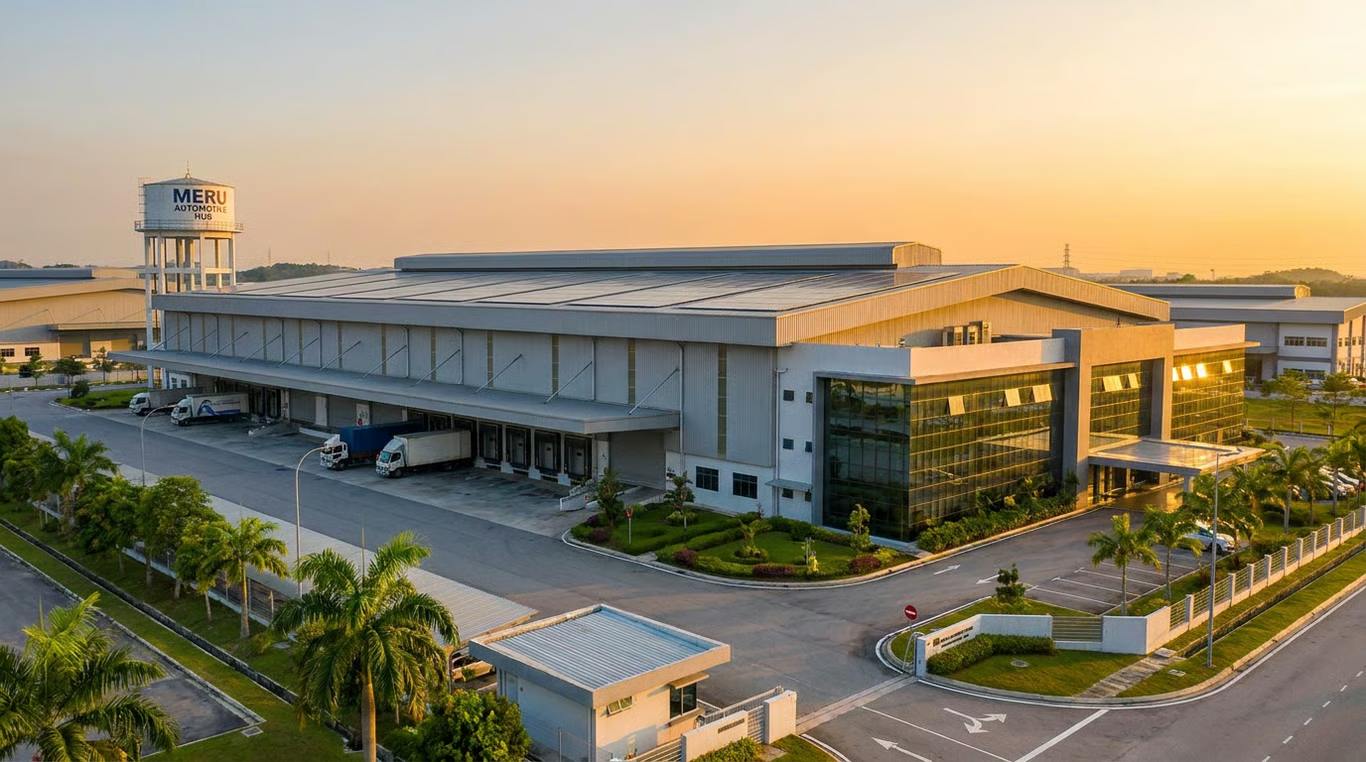
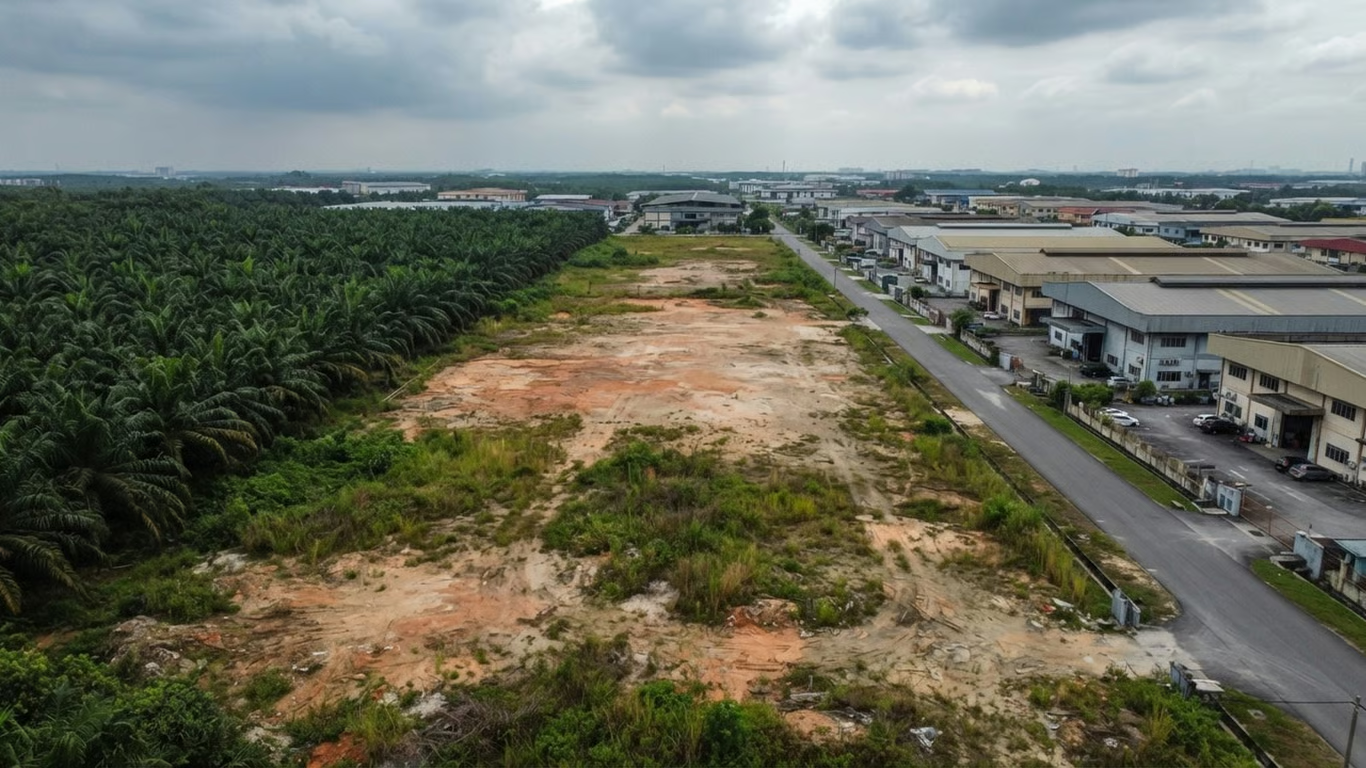
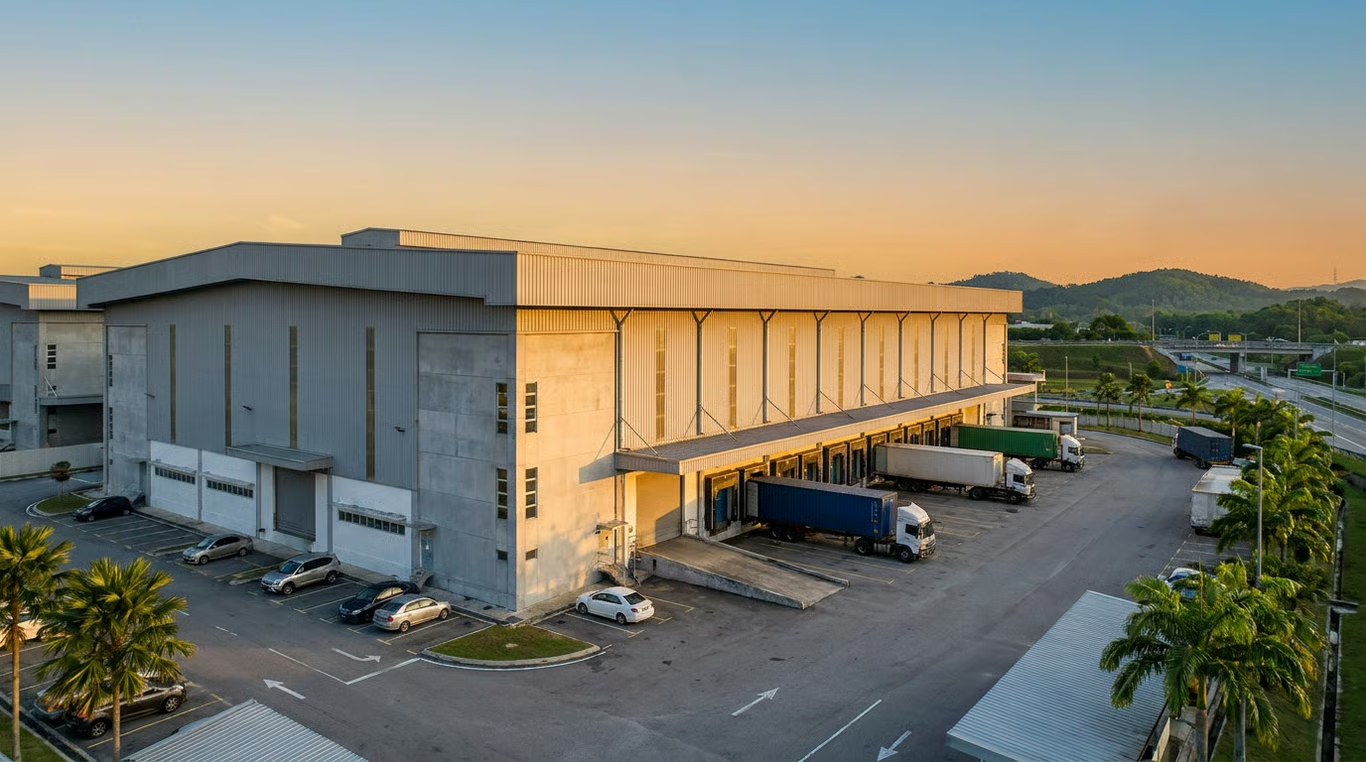
Availability of Suitable Units: The area features a mix of semi‑detached factories, terrace factories, and large‑scale warehouses. The Bukit Raja, Meru, Kapar Corridor is particularly popular among SMEs and packaging material manufacturers.
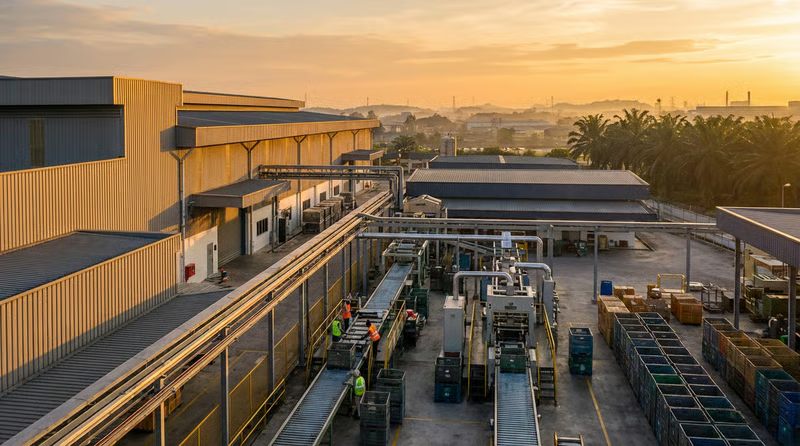
Growing Food & Beverage Sector: With food processing and packaging converging, many F&B players are seeking dedicated packaging facilities near their production lines. The Malaysian Investment Development Authority (MIDA) reports that food manufacturing investments in Selangor surpassed RM 2 billion in 2025, further fuelling demand.
Rental Price Comparison: Kapar vs Meru (2026)
All prices are in RM per square foot built-up per month unless stated otherwise.
| Price Metric | Kapar | Meru | Example Property |
|---|---|---|---|
| Monthly Rent (semi-D factory, registered median) | About RM15,800 (8,960 sq ft) | About RM15,000 (9,000 sq ft) | JPPH-registered, 24 months to July 2026 |
| Registered rent (psf/month) | RM1.47 (typical RM1.08 to RM1.97) | RM2.03 (typical RM1.33 to RM2.20) | JPPH-registered tenancies |
| Built-up area available | 14,616-190,000 sqft | 14,616-190,000 sqft | 14,616 sqft semi‑D / 190,000 sqft warehouse |
| Land area range | 20,169 sqft to 6.25 acres | 20,169 sqft to 6.25 acres | 20,169 sqft (semi‑D) / 6.25 acres (warehouse) |
Source: contact 016‑666 6872.
Note: Rental rates vary based on condition, floor loading, power supply, office space, and lease terms. Always verify with a qualified industrial property specialist.
Kapar vs Meru: Location & Infrastructure Comparison
While both areas are within the Klang municipality, they offer distinct advantages for food packaging factories.
| Feature | Kapar | Meru |
|---|---|---|
| Distance to Port Klang | 10-15 km (via Jalan Kapar) | 15-20 km (via Jalan Meru / NKVE) |
| Key Highway Access | Federal Highway (FT5), LATAR Expressway | NKVE (E1), KESAS (E9), LATAR |
| Typical Factory Types | Semi‑D, terrace, detached factories | Semi‑D, detached, large warehouses |
| Nearby Industrial Parks | Sungai Kapar Indah, Kapar Industrial Estate | I‑Park Bukit Raja, Bandar Bukit Raja, The Yard |
| Best Suited For | Medium‑sized packaging material factories, plastics, rubber | Food packaging, logistics, e‑commerce warehousing |
| Registered median rent (psf/month) | RM1.47 | RM2.03 |
Kapar tends to attract price‑sensitive SMEs and packaging material factories dealing with rubber, plastic, and paper. Its slightly lower rental floor makes it a cost‑effective launchpad. Meru, on the other hand, benefits from better highway connectivity and newer industrial parks like I‑Park Bukit Raja, which is drawing food processing and high‑spec packaging tenants.
What Type of Food Packaging Factories Are Moving In?
Based on market activity in 2026, the following sub‑sectors are actively seeking space in Kapar and Meru:
- Plastic & flexible packaging (films, pouches, bags)
- Paper & cardboard packaging (boxes, cartons, trays)
- Metal & aluminium packaging (cans, containers)
- Glass packaging (bottles, jars)
- Label & adhesive tape manufacturers
- Cold chain packaging (EPS, insulated boxes)
These tenants typically require factories with high electrical capacity (200 AMP+), good floor loading (10-20 kN/m²), and adequate office space. Many also ask for loading bays and high‑clearance heights (above 6 metres).
Market Outlook for 2026-2027
In Klang, port access and available land keep Kapar and Meru in demand with food and packaging tenants. Registered like-for-like semi-detached factory prices in Klang & Port Klang rose 25% in the 12 months to July 2026, though detached prices fell 13%, so values have not moved the same way for every type.
- Rental yield: there is no official yield figure for factories; work it out per property as annual rent divided by price. For reference, Meru semi-detached factories registered a median sale price of RM8.2 million and Malaysian REITs yielded about 5.2% in June 2026 (The Star).
- Leasehold Periods: Most industrial properties in Selangor are leasehold (99 years or 60 years). Buyers should verify the remaining tenure. Leasehold renewal terms are governed by state authority, refer to JPPH for guidelines.
- Risk Factors: Tenants should consider zoning compliance (especially for food packaging involving chemicals), utility capacity, waste disposal regulations, and the potential for rent escalation upon renewal.
Strategic Action Plan for Tenants & Investors
Whether you are looking to rent a food packaging factory in Klang or invest in industrial property, here’s a step‑by‑step approach:
- Define your requirements, Built‑up size, power supply (3‑phase?), floor loading, office percentage, ceiling height, loading bays.
- Target the right zone, Kapar for lower rent/bulk storage; Meru for newer specs and highway access.
- Verify zoning, Ensure the factory is approved for food packaging (light/medium industry).
- Compare recent transactions, Use tools like factoryhub.my to check real 2026 listings, not outdated data.
- Engage a specialist, Industrial property agents with local knowledge can spot hidden gems and negotiate better terms.
- Evaluate total occupancy cost, Add maintenance fees, assessment (Cukai Pintu), insurance, and utilities.
Frequently Asked Questions
What is included in the industrial property?
Typically, the rental for a factory or warehouse includes the building shell (floor, walls, roof). Some units come with basic office partitions, toilets, and electrical wiring. Utilities (water, electricity), security, and maintenance charges are usually borne by the tenant unless otherwise negotiated. Always request a detailed list of inclusions in the tenancy agreement.
What is the largest industrial area in Malaysia?
The Klang Valley (Selangor and Kuala Lumpur) is the largest industrial catchment, with major hubs in Shah Alam, Klang, Subang Jaya, and Bukit Raja. Within that, the Port Klang Free Zone (PKFZ) and Pulau Indah host some of the biggest logistics and manufacturing clusters. For food packaging specifically, Kapar and Meru are among the largest contiguous factory zones.
What are the risks of industrial property?
Risks include market rental fluctuations, vacancy periods, maintenance liabilities, zoning compliance issues, and environmental regulations (especially for food packaging involving chemicals). Tenants should also be aware of lease terms (e.g., rent review clauses, subletting restrictions). Investors face interest rate risk and illiquidity compared to residential property.
Can a sole proprietorship buy property in Malaysia?
Yes, a sole proprietorship (registered with SSM) can buy property in its own name. However, financing may be more restrictive, banks typically require personal guarantees from the owner. It’s advisable to consult a property lawyer and banker before proceeding.
Are foreigners allowed to buy landed property in Malaysia?
Foreigners can buy landed residential property above a minimum price (in Selangor, RM2 million in Zones 1 and 2 and RM1 million in Zone 3). However, industrial land and factories have different rules, foreigners and foreign‑owned companies may acquire industrial properties with approval from the state authority (Economic Planning Unit or relevant land office). Always engage a legal expert to navigate the Foreign Ownership Guidelines.
Can a company buy property in Malaysia?
Yes, a locally incorporated company (Sdn Bhd) can buy property for business use. Foreign‑owned companies can also acquire industrial property subject to conditions. The company must have a valid directors’ resolution and sufficient capital. Many food packaging companies choose to buy factories to benefit from capital appreciation and tax deductions on depreciation.
Where are most factories located in Malaysia?
The highest concentration of factories is in Selangor, particularly along the Klang Valley (Shah Alam, Klang, Subang, Puchong, Hulu Langat). Johor (Pasir Gudang, Senai) and Penang (Bayan Lepas) are also major industrial states.
Which is the biggest industrial city?
Klang itself is often called the industrial heartland of Malaysia. With the port, massive warehousing, and thousands of factories, it vies with Shah Alam for the title of the biggest industrial city. From 2026, Kapar and Meru are adding significant capacity.
Can foreigners buy industrial land in Selangor?
Yes, but subject to approval. Foreigners and foreign‑owned companies must apply to the Selangor State Economic Planning Unit (UPEN) or the relevant land office. A minimum purchase price of RM3 million applies to industrial buildings, plus other conditions. For food packaging investors, buying industrial land is possible with proper legal structuring.
Final Thoughts & Next Steps
The 2026 market for food packaging factories in Klang, especially in Kapar and Meru, offers tenants and investors registered rents below Shah Alam and highway access to Port Klang, positioning both areas for demand from the packaging and F&B sectors.
Whether you need a semi‑detached factory in Meru, a warehouse in Kapar, or a custom‑built packaging facility, the key is to act quickly while supply lasts. For personalised advice and access to the latest 2026 listings, contact our team at:
📞 016‑666 6872
We help every client find the right factory or warehouse on factoryhub.my. Explore our listings for factory for rent in Klang and factory for rent in Kapar to start your search today.
Factories and Warehouses in Port Klang
Live listings with power, ceiling height and floor loading for every unit:
Area contact: Ms Teh Seok Hoon covers the area in more depth on the Kapar industrial property page of her own site, with its estates, roads and the rent and sale market.