Cold Room Warehouse for Rent in Klang Valley: Types, Specs, Power, Halal and Costs
Chiller, freezer, blast freezer or ambient room: the specs, power, food safety and halal rules, port-side cold chain and JPPH rent data for cold storage in the Klang Valley, plus when a 3PL beats your own building.
Key Takeaways
- A cold room warehouse is usually an ordinary industrial building fitted with insulated panel rooms: chillers, freezers, blast freezers or temperature-controlled ambient rooms.
- Malaysia's Food Hygiene Regulations 2009 set the bands for food stored for retail sale: chilled between minus 1°C and 10°C, frozen at minus 18°C, and frozen meat and fish below minus 18°C.
- JPPH-recorded industrial tenancies to July 2026 put Klang and Port Klang at a median of RM1.44 psf a month and Shah Alam at RM1.73. These are mostly bare shells; fitted cold stores cost more and 3PLs charge per pallet.
- Refrigeration runs 24 hours a day, so check the TNB supply and space for a backup generator before rent. BuyKlang shortlists cold stores from 400A three phase and 3 tonnes per m² floor loading.
- Imported animal-based products kept in a warehouse must be stored in one certified halal under JAKIM's logistics (warehousing) scheme; food manufacturers also look at MeSTI or HACCP.
Where can you rent a cold room warehouse in the Klang Valley, and what does it cost? Much of the region's cold storage sits in Shah Alam and the Port Klang belt (Westport, Pulau Indah, PKFZ and Northport), as 3PL pallet space or as warehouses where a tenant or landlord has built insulated rooms. Start from the JPPH shell rent, about RM1.44 psf a month in Klang and Port Klang to July 2026, then add rooms, refrigeration and power, or compare 3PL per-pallet rates.
If you need only a few rooms rather than a whole building, see our cold room and cold storage for rent guide.
Cold storage types: chiller, freezer, blast freezer and ambient-controlled
"Cold room" covers four different rooms. Each needs different panels, floors and power, so name yours before you view a building.
| Room type | What it does | Temperature reference | Typical goods | What it asks of the building |
|---|---|---|---|---|
| Chiller | Keeps goods cold, not frozen | Minus 1°C to 10°C for chilled food sold retail (reg. 38) | Fresh meat, dairy, produce, drinks | Insulated panels, condensation control at doors |
| Freezer | Keeps goods frozen for weeks or months | Minus 18°C; below minus 18°C for frozen meat and fish | Frozen meat, seafood, ice cream | Thicker panels, insulated and heated floor, constant power |
| Blast freezer | Freezes fresh or warm product fast before storage | Set by product and equipment supplier | Processed food, seafood, bakery | Highest power peaks, a room of its own |
| Ambient-controlled | Holds goods in a band above chill | Set by the product label | Chocolate, some medicines, cosmetics | Insulated, air-conditioned room with humidity control |
For medicines, check storage and distribution rules with the National Pharmaceutical Regulatory Agency.
The regulations also describe the store itself. Regulation 25 asks for separate refrigerated storage for raw and processed food, regular defrosting, a smooth, light-coloured, impervious lining, a temperature recorder accurate to plus or minus 1°C, and an air curtain or similar on cold room doors. Regulation 38 bans overloading a store and requires first in, first out rotation and an unbroken cold chain. The text has been amended since 2009, so confirm the current version with the Ministry of Health.
Insulated panels, floors and floor heating
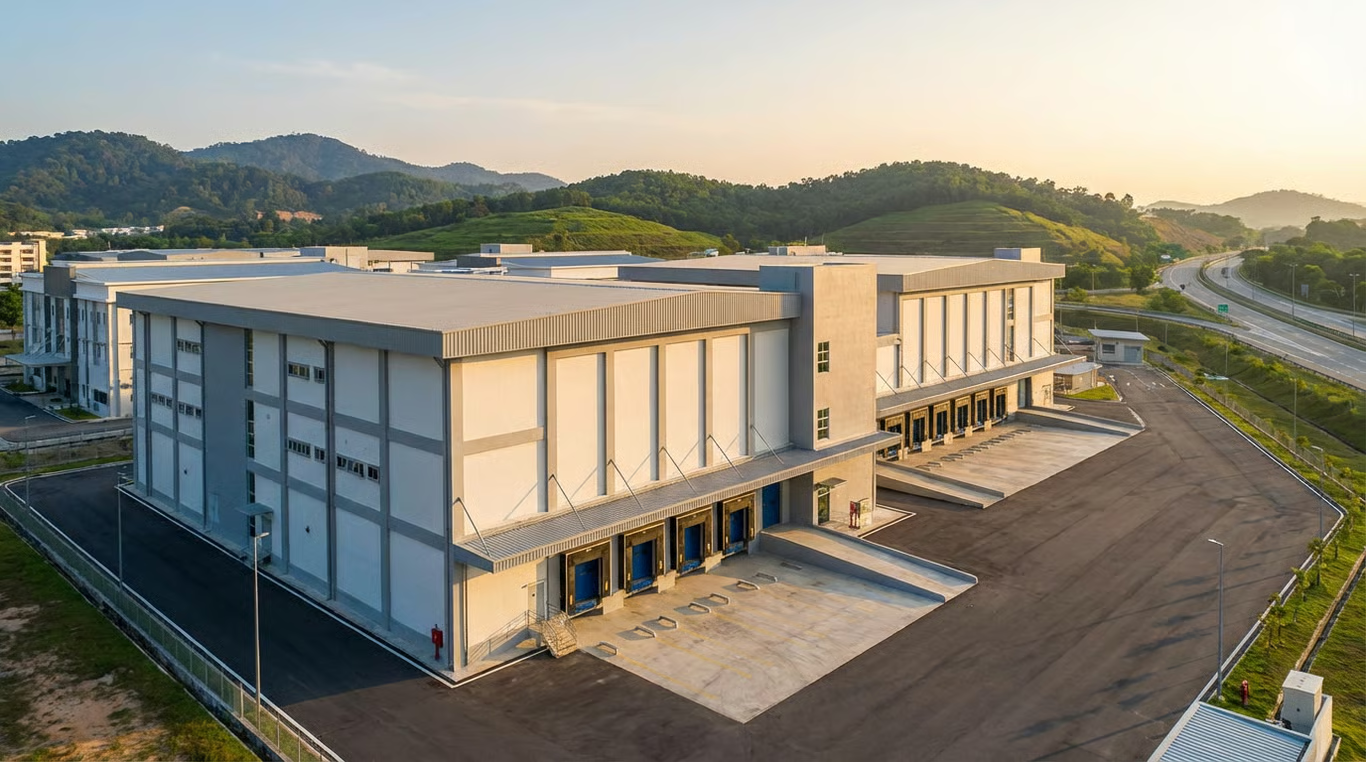
Most cold rooms are built from insulated sandwich panels, two metal skins around an insulating core, erected inside the existing warehouse. Check:
- Core and thickness. Freezers need thicker panels than chillers. Ask for the panel specification and core type (polyurethane, PIR or mineral wool).
- Fire safety. Panel cores and high racking change the building's fire risk. Get the rooms, sprinklers and racking approved by Bomba.
- Joints. Gaps at joints and cable entries let humid air in, which ices up evaporators and wastes power.
Floors matter most for freezers. Below 0°C the cold slowly passes through the slab into the ground, and frozen ground moisture can lift the floor (frost heave). Freezer floors therefore get insulation plus underfloor heating (cables, warm glycol pipes or ventilated ducts). Chillers usually need insulation only. On an existing slab you either build a raised insulated floor with a ramp or recast the slab; both need an engineer and affect the floor loading you can use. Agree in writing who owns, maintains and removes the rooms at the end of a lease.
Power: how much does a cold room warehouse need?
There is no single figure. The load depends on room volume, temperature, door openings, product temperature on arrival and blast freezing, on top of fans, defrost heaters, floor heating, forklift chargers and lights.
- Get the connected load for each room from your refrigeration contractor.
- Add the rest of the building with the factory power calculator.
- Compare the total with the building's real supply. Our TNB amperage guide explains how to read the switchboard and bills, and what an upgrade involves.
BuyKlang's cold storage warehouse shortlist starts from 400A three phase. That is a screening rule, not a design figure; blast freezers and large freezers often need more. Medium-voltage supplies are billed per kW of maximum demand (capacity and network charges since July 2025) as well as for energy under TNB's tariff, so stagger compressor restarts after a trip and read 12 months of bills for the recorded peak.
Backup generator
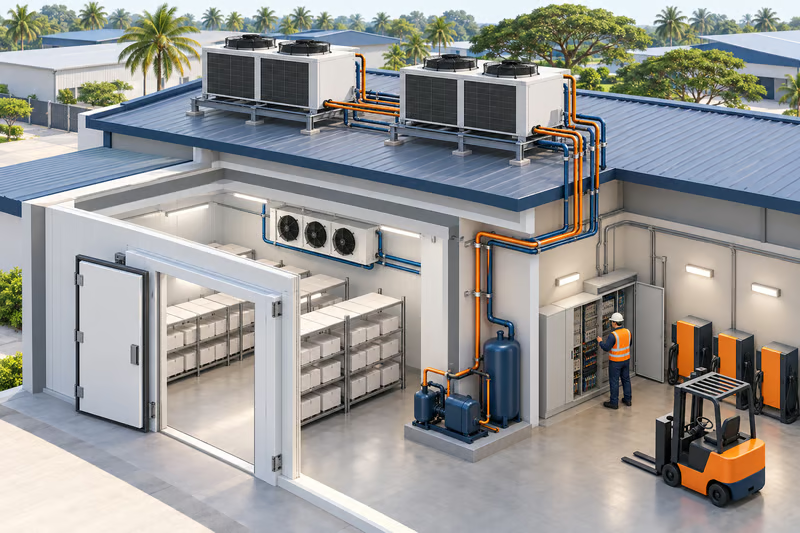
A long outage can spoil a full freezer. Plan a set sized for refrigeration and controls with an automatic transfer switch, outdoor space for it and its fuel, the landlord's written consent and temperature alarms with remote alerts. Check licensing with Suruhanjaya Tenaga and fuel storage with Bomba.
Racking, doors and loading docks
Every cubic metre of cold room costs power, so cold stores are racked densely:
- Selective racking: every pallet reachable; best for many SKUs, lowest density.
- Drive-in racking: dense for few SKUs, but last in, first out unless loaded carefully.
- Mobile racking: racks on rails, one aisle open at a time; common in freezers, with high point loads.
- Automated storage and retrieval (ASRS): for large stores; needs height and a strong floor.
Measure clear height under the panel ceiling, evaporators and sprinklers, not the warehouse's headline height. For doors, use insulated sliding or hinged doors with strip or air curtains, high-speed doors on busy routes, heated frames on freezers, a chilled anteroom between rooms and trucks, and dock shelters with levellers so reefer trucks load without doors standing open.
Food safety and halal: MeSTI, HACCP and JAKIM
MeSTI. The Ministry of Health's MeSTI scheme (Makanan Selamat Tanggungjawab Industri) is a simplified food safety certification that replaced the 1Malaysia Food Safety Scheme. It targets food manufacturing premises, especially SMEs, builds on the Food Hygiene Regulations 2009 minimums and is applied for through FoSIM.
HACCP. The ministry's HACCP certification scheme, launched on 19 April 2001, recognises premises running HACCP under MS 1480, with GMP prerequisites under MS 1514. It is valid for three years. If you only store packed food, ask your customers which certifications they expect.
Halal. On 23 November 2021 the government announced that imported animal-based products stored in warehouses must hold Malaysian halal certification under the warehousing category of JAKIM's logistics scheme, and travel through transport certified under its transport category, the NST reported. A meat or seafood importer therefore needs a certified cold store. JAKIM also checks segregation from non-halal goods, past use and neighbours. See our JAKIM halal factory requirements guide and the food and halal factory guide for who is expanding and which sites fit.
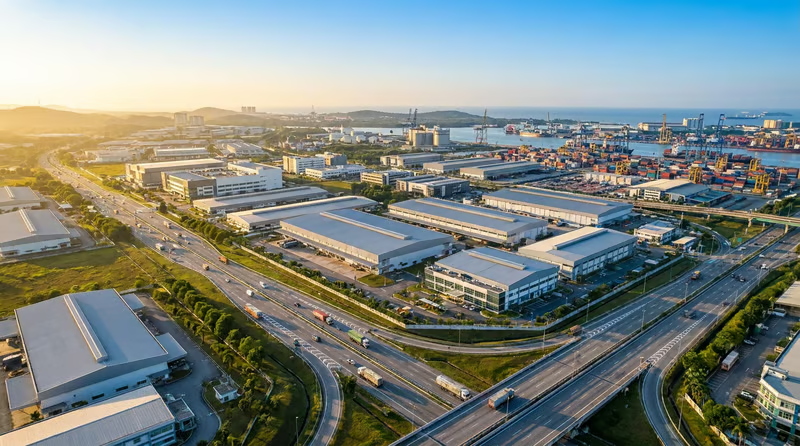
Westport, PKFZ and the Port Klang cold chain
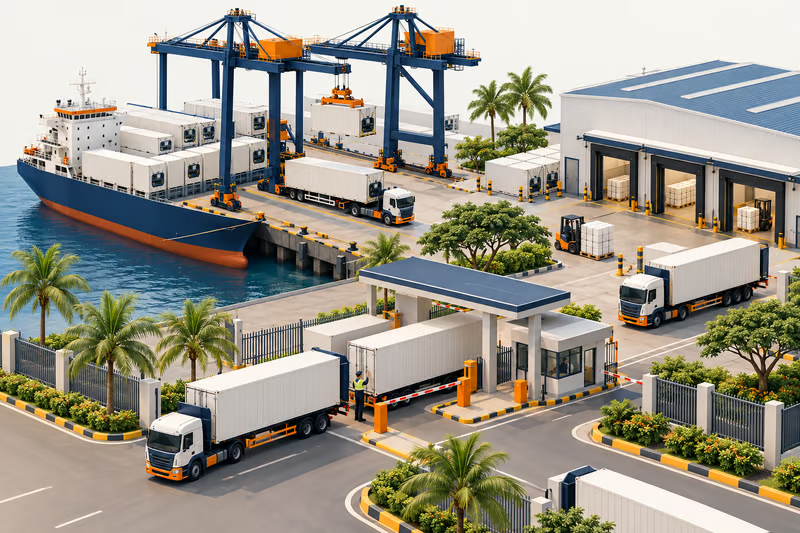
Port Klang handled a record 15.14 million TEUs in 2025, and imported chilled and frozen food arrives there in reefer containers.
- Westport. Westports offers reefer services and plans to nearly double yard capacity from 14 million to 28 million TEUs, says its corporate brochure. Its 11.33 million TEUs in 2025 were about three quarters of Port Klang's total. See our Westport cold storage guide and Westport warehouses for rent.
- PKFZ. The Port Klang Free Zone covers about 1,000 acres on Pulau Indah beside Westports. Goods in a free zone pay import duty only when they enter the Malaysian market, which suits importers who re-export or release frozen stock in batches. Our PKFZ guide covers the gate and how to rent.
- Pulau Indah Industrial Park. Its Selangor Halal Hub has a HALMAS-certified halal park operator, lists frozen food, meat and seafood processing among target industries and works with JAKIM-certified halal logistics providers.
- Northport. Tasco said nearly half of its two planned Northport warehouses, 600,000 sq ft in total, would serve cold storage with automated storage, MIDA reported in June 2024.
- Shah Alam. When Tasco agreed to buy Gold Cold Transport in 2017, Gold Cold ran about 25,600 pallets of storage and 174 reefer trucks from Shah Alam, The Edge reported.
Port-side space shortens the reefer haul and suits import, re-export and halal meat. Inland space in Shah Alam, Bukit Raja or Meru suits distribution to Klang Valley supermarkets and restaurants.
Cold storage warehouse rent: what the JPPH data shows
No public dataset records cold storage rents on their own, so the best guide to building cost is the rent JPPH records for industrial tenancies.
| Area (JPPH-recorded tenancies, 24 months to July 2026) | Median rent psf per month | Middle half of deals |
|---|---|---|
| Klang and Port Klang, all industrial | RM1.44 | RM1.01 to RM1.92 |
| Klang and Port Klang, detached | RM1.24 | RM0.75 to RM1.75 |
| Klang and Port Klang, above 60,000 sq ft | RM1.08 | n/a |
| PKFZ (small sample) | RM1.75 | n/a |
| Shah Alam, all industrial | RM1.73 | RM1.31 to RM2.55 |
| Selangor and Kuala Lumpur | RM1.52 | RM1.00 to RM2.22 |
More detail is on the Port Klang industrial transactions page. The records do not say whether a unit has cold rooms, so treat them as shell rents. A building with working rooms should cost more, and 3PLs quote per pallet plus handling and blast-freezing charges; get written rate cards from at least three. Add deposits (cold room units often need more than a bare warehouse), tenancy stamp duty and 6% service tax on rent from 1 January 2026 where the landlord is SST-registered. For rents by district, see the warehouse for rent in Selangor guide.
3PL cold storage vs your own facility
| Factor | 3PL cold store | Lease a shell and fit out | Buy and build |
|---|---|---|---|
| Upfront cash | Lowest | Deposits, rooms, refrigeration, racking, generator | Purchase or land and construction, plus fit-out |
| How you pay | Per pallet and per movement | Fixed rent for the building | Loan and upkeep |
| Control | Operator runs the floor | Full | Full |
| Halal and food certificates | Operator's | Your own application | Your own application |
| Blast freezing | Only if offered | Built to spec | Built to spec |
| Scaling | Easy | Fixed until lease ends | Fixed |
| End of term | Walk away | Reinstatement to settle | You keep the asset |
A 3PL suits market entry, seasonal peaks and a few hundred pallets. Your own facility pays when volume is steady, you process or repack on site, or halal segregation and blast freezing must be under your control. Many companies combine a 3PL near the port with their own store inland.
Cold storage warehouse checklist
- Room types, temperatures and pallet count, now and in three years.
- Land use and council approval for cold storage or food handling.
- TNB bills and switchboard rating against your refrigeration load.
- Space and consent for a generator and outdoor condensing units.
- Floor loading for your racking, and whether a freezer floor can be built.
- Usable clear height under panels, evaporators and sprinklers.
- Existing panels, door seals, floor heating and the age of the plant.
- Loading bays, dock seals and room for an anteroom.
- Bomba's view on panel rooms, racking and the fire certificate.
- MeSTI or HACCP route, JAKIM scheme, past use and neighbours.
- Room ownership and reinstatement written into the lease.
- Deposits, stamp duty, 6% service tax and three 3PL quotes to compare.
FAQ
How much does it cost to rent a cold room warehouse in Klang?
JPPH-recorded industrial tenancies in Klang and Port Klang had a median of RM1.44 psf a month in the 24 months to July 2026, with the middle half between RM1.01 and RM1.92. Those are mostly shells without cold rooms. A building with working rooms costs more, and 3PLs charge per pallet plus handling.
What temperature should a chiller and a freezer be in Malaysia?
The Food Hygiene Regulations 2009 require food stored for retail sale to be kept chilled between minus 1°C and 10°C or frozen at minus 18°C. Frozen meat and fish must be kept below minus 18°C. Blast freezers and ambient-controlled rooms are set by the product and supplier.
How much power does a cold storage warehouse need?
It depends on room size, temperature, door traffic and blast freezing, so get the connected load from your refrigeration contractor and add the rest in the factory power calculator. BuyKlang shortlists cold stores from 400A three phase, and large freezers often need more.
Can I build a cold room inside an ordinary rented warehouse?
Usually yes. Check the power, the floor (freezers need an insulated, heated floor), clear height and Bomba's requirements. Agree with the owner who keeps or removes the rooms when the lease ends.
Does a cold storage warehouse need halal certification?
It depends on the goods. Under measures announced in November 2021, imported animal-based products stored in warehouses must be kept in one certified under the warehousing category of JAKIM's logistics scheme. For other goods, check with JAKIM and your buyers whether certification is needed.
Does a cold store need a backup generator?
Plan for one: a long outage can spoil a full freezer. Size it for refrigeration and controls, add an automatic transfer switch and temperature alarms, get the landlord's consent, and check licensing with Suruhanjaya Tenaga and fuel storage with Bomba.
Should I use a 3PL cold store or rent my own?
Use a 3PL when volume is small, seasonal or uncertain, because you fund no rooms or racking. Lease or buy your own when volume is steady, you process food on site, or you need your own halal and blast-freezing set-up.
Buying or renting, talk to us
Contact Adam or Yuki to discuss your requirements. Confirm the available service, scope and terms directly before proceeding.
| Agent | Mobile / WhatsApp | |
|---|---|---|
| Adam | 60176729873 | +60 17-672 9873 |
| Yuki | 60167724476 | +60 16-772 4476 |
Factories and Warehouses in Port Klang
Archived catalogue records with power, ceiling height and floor loading for every unit: